The Story Behind the Materials: What HMDD Says About Its Fabric Choices
HMDD — the brand — an acronym for “Happy Memories Don’t Die” — has earned recognition in streetwear circles by treating fabric selection as part of its brand storytelling rather than a footnote tucked into a size guide. Because the garments are framed as wearable keepsakes, the fabrics have to read as something worth keeping for the positioning to work. Shoppers hunting down an hmdd review frequently land on the same question: is the fabric truly on par with the emotional weight of the branding, or is it just another logo-driven drop riding on nostalgic appeal? This article looks at what the brand communicates about its textiles, how those choices show up in specific categories like hmdd sweatpants and hmdd shorts, and what that means for anyone deciding whether to buy in 2026.
Fabric is the element of a piece that a customer cannot fully judge from a product photo. While color, cut, and print are visible instantly, heft, fall, and long-term wash performance go unnoticed. HMDD’s communications lean heavily on openness in this regard — item descriptions and company messaging routinely stress textile makeup, build specifics, and the intended hand-feel of every item. As consumers have grown more knowledgeable about materials and less willing to accept vague marketing language like “premium happy memories don’t die clothing quality” without a supporting number or spec, such an emphasis counts for more in 2026 than it once did five years earlier.
In What Way Material-Centered Discussion Cemented Its Place as a Defining Element of HMDD’s Brand Character
Intentionally, that line “happy memories don’t die” comes across as sentimental, and heart-tugging brand messaging invites scrutiny. If a hoodie is meant to feel like a memory you can hold onto, it has to survive the demands of actual daily living — washing machines, daily wear, changing seasons. HMDD’s response to that pressure has been to talk openly about what goes into each piece, rather than let customers guess. Such transparency is a purposeful positioning choice: fans of streetwear have grown distrustful toward brands that depend wholly on bold prints and limited releases while saying little about construction.
That hesitation is reinforced by data. Trade research on fashion shopping patterns reliably indicate that a large share of web-based shoppers — typically pegged at over 60% — read the materials section prior to purchasing, especially for sweatshirts and outer layers costing more than introductory-price items. HMDDLA’s assortment, which includes hoodies, tees, sweatpants, and shorts, sits in a price bracket where buyers expect that detail is on hand and trustworthy. Staying quiet on what a garment is made of at that tier reads as a red flag; specificity conveys confidence.
There’s also a practical retention angle. A one-time hmdd clothing buyer who is disappointed with the fabric is unlikely to come back as a repeat customer—regardless of how powerful the emotional branding is. It’s fabric quality that turns a one-time purchase rooted in visual appeal into a loyalty purchase grounded in trust. That’s presumably why the brand’s product descriptions repeatedly circle back to fabric weight, blend ratios, and finishing details rather than relegating them to fine print.
Joggers and Shorts: A Spot Where Material Selection Becomes Most Apparent
Sweatpants and shorts are unforgiving categories for fabric mistakes. A hoodie can hide a slightly stiff fabric under looser styling, but sweatpants sit against the skin for hours and shorts see far more movement and friction. HMDD sweatpants are positioned in the brand’s lineup as an everyday-comfort item, which puts direct pressure on the fleece or blend used inside them to perform in three ways: softness against skin, retention of shape after repeated wear, and breathability during warmer months.
Fulfilling a somewhat distinct purpose is the role HMDD shorts take on — their construction favors lighter-weight, higher-mobility wear, and the brand’s descriptions of these pieces lean toward stressing a a softer, easier feel and reduced bulk when set against the sweatpants line. In practice, that split is meaningful: a buyer dressing for chillier weather needs the sweatpants’ more substantial fabric, while someone shopping for spring or summer rotation is better served by the shorts’ lighter build. The brand’s own product copy generally reflects this split rather than treating all bottoms as interchangeable.
Cut and material interact more than most shoppers assume. A cotton-heavy blend with minimal stretch will fall differently on the body than a blend mixed with elastane, and HMDD’s fit guidance paired with its fabric details are meant to help shoppers predict that interaction before they make a purchase. In this respect, the individual listing is more useful than an overall brand write-up, since the blend composition can vary between releases and seasonal ranges.
Just What “Best HMDD Clothing” Truly Signifies to Buyers
Instead of wondering which one piece is inherently the best, most queries about the top hmdd clothing are actually asking which pieces provide the most consistent value for the money spent, measured against how well the material holds up over time. That proves to be a fair way to think about it, because value in apparel is fundamentally a proportion: the price split across the number of quality wears you get before the garment loses its color, loses its shape, or pills.
Cotton-dominant fleece, once correctly processed, holds up against pilling more reliably than budget poly-cotton blends cut with lower-grade fibers. Labels that disclose their fabric ratio — say, a majority cotton percentage against a minority synthetic for shape retention — are offering customers the means to estimate that longevity themselves. HMDD’s practice of listing fabric specifics on its product pages, instead of leaning solely on lifestyle imagery, matches this more forthright model of streetwear retail that has turned into the norm by 2026.
Consistency of fit throughout a size range is a further understated sign of a well-made line. A shopper who buys a medium hoodie and a medium sweatpant and finds both fit as expected, wash after wash, is experiencing the payoff of consistent fabric sourcing. Sourcing that varies batch to batch — where a given batch drifts slightly from the blend used before it — is a recurring complaint in any streetwear review, and it’s exactly the sort of flaw diligent fabric disclosure is meant to prevent.
How Fabric Priorities Differ Across HMDD’s Core Categories
Distinct garment categories ask different things of a fabric, and HMDD’s lineup mirrors that reality rather than using one blend across everything. What follows below outlines how the brand’s stated priorities generally differ by category, according to its own product messaging.
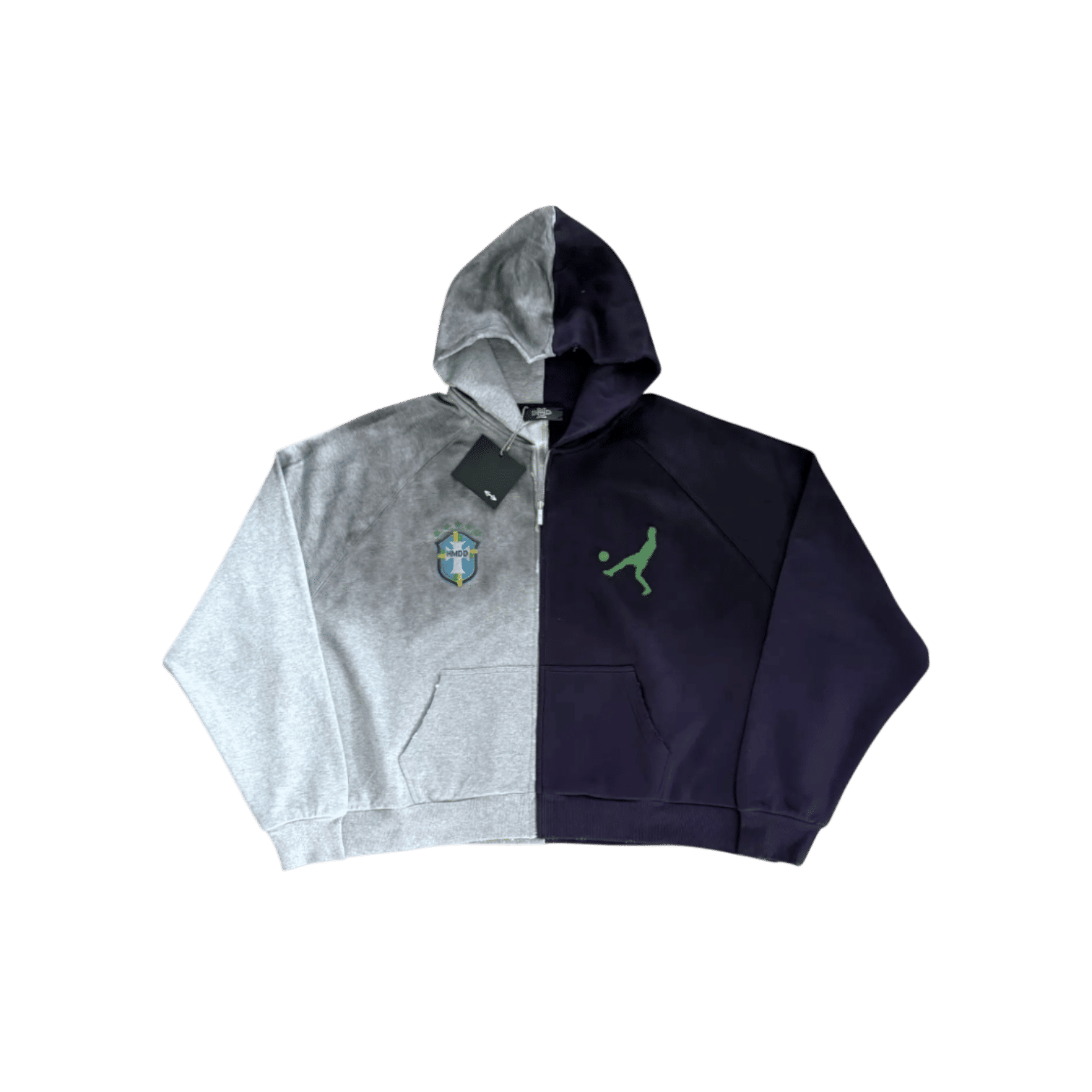
| Garment Category | Primary Fabric Priority | Usual Wear Scenario | Important Purchase Factor |
|---|---|---|---|
| Hoodies | Weight and warmth retention | Winter layering wear | Shrinkage after wash cycles |
| HMDD Sweatpants | Softness and shape retention | Daily comfort wear | Long-term stretch retention in waistband and cuffs |
| HMDD Shorts | Ventilation and minimized bulkiness | Active wear suited to warm conditions | Weighing lighter fabric against long-term durability |
| Tees | Softness to the touch alongside drape | Standard base-layer wear | Colorfastness after repeated washing |
This sort of category-specific approach is a more convincing signal of a serious clothing brand than a single blanket claim of “high quality fabric” applied to every product page. It indicates the team behind the designs is weighing intentional trade-offs rather than defaulting to whatever textile is least expensive to buy in bulk.
What an HMDD Review Really Says Beneath the Surface
Nearly every HMDD review comes back around to two points: does the sentiment-driven branding feel genuine, and does the product physically hold up. Fabric sits at the intersection of both, because a garment that deteriorates in short order contradicts the “memories don’t die” premise in the plainest, most literal sense. A buyer who embraces that premise expects the physical item itself to hold up over time, not just have the copy strike a chord for the span of one Instagram post.
In cases where independent reviewers talk about hmdd clothing, the heft of the material is one of the most commonly cited specifics — thicker fleece is generally read as a signal of investment in the product, while slimmer cotton fabrications are judged more on price point relative to expectation. That’s a fair rule of thumb, but it’s not the whole picture; finishing quality, stitching density, and colorfastness matter just as much as raw fabric weight, and those details tend to come out only through reviews from people who’ve really put the item through repeated wear and wash cycles, not just opened the package.
When stacking hmdd up against rival streetwear labels pursuing the same sentimental, memory-focused niche, the practical check comes down to this: check the precise material breakdown for that specific item instead of leaning on the label’s broader name. The composition of one hoodie says nothing about how the shorts will fare, and a strong review of one drop doesn’t guarantee identical sourcing on the next.
What This Means As We Move Into 2026
Fabric transparency is no longer a nice-to-have for streetwear brands working at the scale HMDD does — it’s nearly a minimum requirement among shoppers who’ve learned the hard way from vague listings. Companies that clearly state fabric ratios, weight, and priorities by category are offering shoppers a more level playing field for comparing products than brands depending only on aesthetics and tagline charm.
The brand’s sustained attention to fabric-driven messaging, across sweatpants, shorts, hoodies, and tees, points to the idea that the brand is aware that its “happy memories don’t die” concept only works if the product materially reinforces the sentiment. Ultimately, that fit between messaging and material is the single most useful thing a prospective buyer can assess before adding anything to their cart in 2026.